Minimalist Wildflower Machine Embroidery
A Thoughtful Choice for the Modern Embroiderer
As a designer who’s stitched countless projects, I always start by evaluating how a machine embroidery design will perform in real-world applications. Minimalist Wildflower Machine Embroidery is one such design that caught my eye—not just for its aesthetic, but for its versatility and practicality. It’s a subtle yet impactful design that can elevate a wide range of products without overwhelming them.
The First Impression: Clean, Calm, and Contemporary
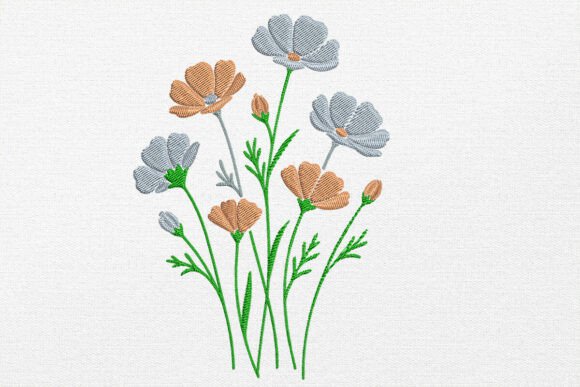
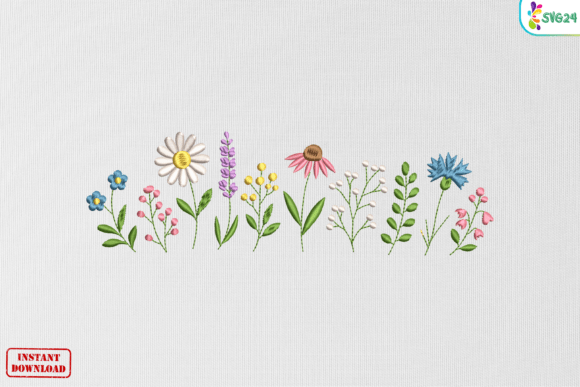
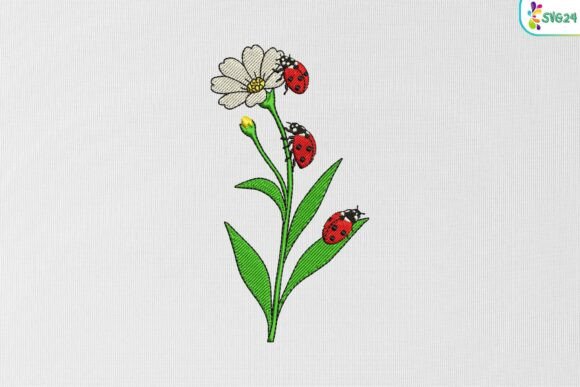
At first glance, Minimalist Wildflower Machine Embroidery exudes a sense of calm and simplicity. The design features a single wildflower rendered in clean lines and minimal detail, making it feel modern and approachable. The absence of excessive embellishment or intricate patterns makes it ideal for those who prefer understated elegance over bold statement pieces.
The layout is well-balanced, with the flower centered and surrounded by negative space that allows it to breathe. This makes it especially suitable for small hoop sizes where overcrowding could be an issue. The visual personality is soft and organic, which aligns well with a variety of creative industries, from handmade goods to boutique branding.
Real-Life Use Cases: Where This Design Shines
Minimalist Wildflower Machine Embroidery is a versatile design that works across multiple platforms and product types. In custom apparel, it adds a touch of nature to t-shirts, sweatshirts, and tote bags without being too busy. For baby items, it offers a gentle and soothing motif that parents will appreciate on onesies, bibs, and blankets.
It also performs well on accessories like embroidered patches, caps, and aprons, where a simple design can make a big impact. When applied to holiday gifts or personalized products, it brings a fresh, modern twist to traditional crafts. The design is equally at home in commercial settings, such as Etsy listings, craft fairs, and small shop merchandise, where consistency and appeal are key.
One of the most appealing aspects of this design is its adaptability. Whether used as a standalone feature or paired with other elements, it maintains its integrity and charm. It’s a great choice for those looking to build a cohesive brand identity through consistent, high-quality embroidery assets.
Considerations for Real-World Application
While Minimalist Wildflower Machine Embroidery is generally user-friendly, there are a few scenarios where extra care is needed. On small hoop sizes, the design may appear slightly cramped, so it’s worth testing it on scrap fabric first to ensure it looks proportionate.
When working with textured or stretchy fabrics, the design might not lay flat as expected. Using the right stabilizer can help maintain its shape and clarity. Dark fabrics can sometimes mute the colors, so checking thread color contrast before stitching is essential. Similarly, layered garments or curved surfaces like caps may require additional adjustments to ensure the embroidery sits properly and remains visible.
For products that undergo frequent washing, like tea towels or kitchen linens, it’s important to consider stitch density and thread type. A slightly lower stitch count may help prevent puckering, while using durable threads ensures longevity. Testing the design in black and white mockups can also reveal any hidden issues related to contrast and clarity.
Design Quality and Visual Appeal
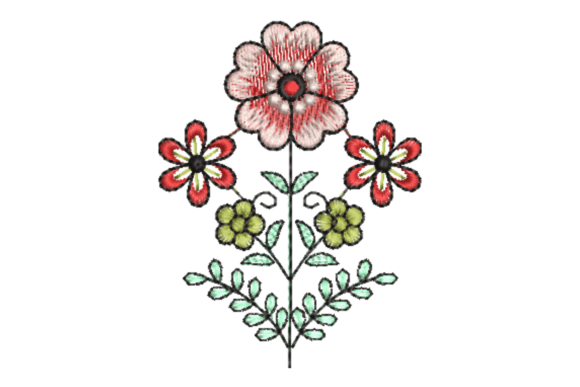
Minimalist Wildflower Machine Embroidery strikes a balance between simplicity and quality. The use of satin stitch and running stitch creates a smooth, refined look that feels intentional rather than haphazard. The stitch density is appropriate for most machines, though it’s always wise to double-check the file specifications before proceeding.
The design’s visual appeal lies in its ability to complement rather than compete with the surrounding elements. It’s a perfect accent for both personal and commercial projects, offering a level of professionalism that resonates with customers looking for curated, handmade products. Its clean aesthetic also lends itself well to printable mockups and digital previews, ensuring that the final product matches expectations.
Practical Designer Notes for Success
Before using Minimalist Wildflower Machine Embroidery in a real project, I recommend a few key steps. First, test the design on scrap fabric to see how it behaves under different conditions. Next, review the thread color contrast to ensure visibility on the intended fabric. Confirming the stitch density and hoop size is also crucial, especially when working with smaller or more delicate materials.
Inspecting small details like corners and edges helps catch any potential issues early. Testing the design in black and white mockups can highlight any inconsistencies in shape or texture. Proper stabilizer use is non-negotiable, especially on stretchy or textured fabrics, to maintain the design’s integrity throughout the stitching process.
If you plan to sell finished items or digital embroidery files, be sure to confirm licensing terms. This ensures that you’re compliant with any usage restrictions and protects your business from potential legal issues.
Final Thoughts on Minimalist Wildflower Machine Embroidery
Minimalist Wildflower Machine Embroidery is more than just a design—it’s a thoughtful addition to any embroidery project. Its clean lines, balanced composition, and adaptable nature make it a reliable choice for designers, small business owners, and crafters alike. Whether you’re creating a custom sweatshirt, a personalized gift, or a boutique product, this design has the potential to enhance your offerings with a touch of natural beauty.